vermelho555 · table games

table games with clear reading, their own pace, and direct comparison

Those who arrive through table games usually want less noise and more context. Here, the focus is on what changes from one format to another: the round dynamics, the type of decision, the level of attention required, and the most comfortable way to start exploring roulette, blackjack, baccarat, and poker without treating everything as if it were the same thing.

Comparison by format Concrete editorial criteria Adult reading in Brazil
Vermelho555 table games banner
Before choosing a game, it is worth separating theme, rule, and cadence. This distinction avoids bad shortcuts and helps compare what really matters.

Quick map: what to observe at each table

The reading below does not try to push one format above another. It gathers practical points to compare different experiences within the same universe: who decides more, who depends more on fixed rules, where observation matters more, and where the game calls for a simpler entry.

Format How the round is usually read What deserves attention When it makes sense to look first
Roulette The focus is on the sequence of spins and the bets that follow each round. Understanding the layout of the options before betting helps you read the board calmly. When the idea is to start with a simple visual structure and quick comparison.
Blackjack Decisions appear more actively, with attention to what happens with each hand. It is worth observing how the rules guide each choice and how that changes the pace of the table. When you prefer to follow the hand’s progress instead of just waiting for the spin.
Baccarat The reading is usually straightforward, with fewer decision steps during the round. The interest is usually in the clarity of the options and the way each result is presented. When the priority is an objective format, without too much reading at each step.
Poker The game calls for context awareness, patience, and understanding of the situations at the table. It is useful to separate what depends on rules, what depends on reading, and what depends on decision-making. When the search is for a more analytical format with room for strategy.

The table serves as a starting point. If the question is “where do I begin?”, the most honest answer depends on your appetite for decision-making, visual reading, and familiarity with rules.

How to compare tables without losing the rhythm

To read this kind of table more safely, it is worth observing three layers at the same time: the structure of the round, the level of participation required, and the kind of attention the table asks for. In some games, the decision happens before the main action; in others, it is spread throughout the round. This difference changes the feeling of control, but it also changes the way you follow what is happening without rushing.

Another useful point is to separate visual simplicity from real simplicity. A table may seem easy because it shows few options, but still require understanding of rules, order of actions, and betting limits. Another format may seem more crowded, even though the practical reading becomes clear after a few rounds. The best criterion is to notice whether you understand the flow without having to guess the next step.

It also helps to observe how much the table depends on comparing results and how much it depends on immediate decisions. In games with more context reading, the focus usually goes beyond the isolated result and starts to consider position, sequence, and the moment of the move. That does not mean unnecessary complexity; it simply means attention needs to be distributed differently to follow the dynamic comfortably.

When the table requires more participation, the ideal is to join after understanding the basic logic of each action. Knowing when the round starts, when it ends, and which choices appear along the way avoids confusion right from the start. This care is especially useful for those who prefer learning by observing before acting, because it reduces the chance of mixing rules with visual impression.

In more direct tables, attention usually shifts to reading the result and to the way the options repeat round after round. Even so, it is worth checking whether the format matches your way of following the game: some people prefer short intervals between decisions, while others feel more comfortable when there is time to think. The choice becomes clearer when you compare the pace, not just the table name.

If the question is where to start, think less about “which is the best table” and more about “which table can I follow without excessive effort”. That question usually works better because it considers familiarity, patience, and reading style. In the end, the quick map serves exactly that purpose: turning table differences into simple, practical criteria that are easy to review before entering any game.


Three readings that help filter what matters

Instead of mixing everything together, it is worth separating the experience into three layers. This makes the comparison cleaner and helps explain why two table games may seem close, yet require very different approaches.

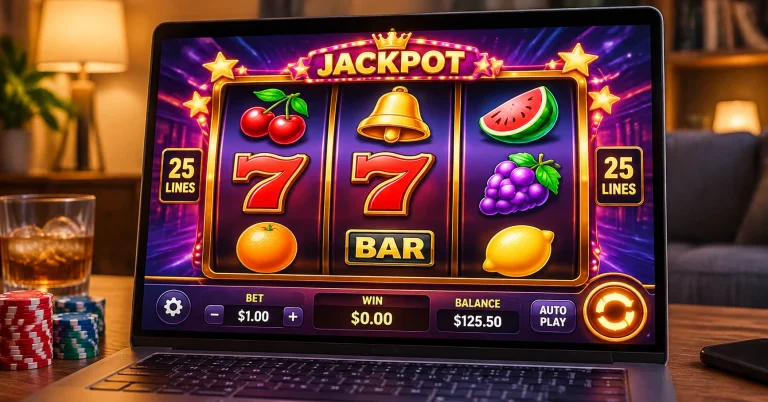
Vermelho555 slots
If your interest also includes quick visual reading, slots offer another kind of reference for internal comparison.

1) Comparing format is not just comparing names

“Table” does not mean the same experience in every case. Roulette, blackjack, baccarat, and poker share the environment, but they do not share the same decision logic. The first filter is simple: see what the game asks of you each round.

  • More observation or more action?
  • Direct rules or finer reading?
  • Short rounds or a more analytical sequence?

What to observe before choosing

Beyond the pace, it is worth looking at how the game organizes information on the screen. In some formats, the essentials appear immediately; in others, there are layers of options, side bets, and details that change how the round is read. This matters because the comparison becomes more useful when you understand the type of attention required, not just the game name. That way, the choice stops being generic and starts taking into account how each table presents its rules, limits, and dynamics.

Another practical point is to separate preference from familiarity. Many people think they like a format only because they know its interface or vocabulary better. Comparing calmly helps you notice whether the attraction comes from the game structure, the speed of decisions, or the way bets are organized. This care avoids rushed conclusions and makes the reading between tables clearer, especially when the goal is to understand real differences in how they work.

Vermelho555 live casino
Those who want to observe the dynamic in real time usually look first at the live casino.

2) The table’s cadence changes the reading

Some games call for patience; others, quick response. This difference affects the way a person follows the round, interprets the table, and decides whether they prefer a more contemplative or more direct format.

  • Time to think between actions
  • Number of decisions per round
  • Clarity about what happens next
Vermelho555 sports
If the comparison moves away from the table and into another category, sports come in as a separate topic within the portal.

3) Browsing by interest reduces noise

The best starting point is not always the most famous game. Sometimes, the most useful path is to begin with the format that matches your way of reading, and then move on to nearby topics without losing focus.

  • Start with the most familiar
  • Move on to more specific rules
  • Separate table games, slots, and live clearly
“A good table game to explore is not the one that promises the most. It is the one that makes the rule visible, the comparison honest and the choice less rushed.”

Checklist before entering a topic

A calmer read usually starts with short questions. They do not solve everything, but they avoid the feeling that all games demand the same kind of attention.

How to move forward without losing the thread

The path below works as a short read. It helps move from the general to the specific without turning the comparison into a heavy sequence.

  1. 1

    Recognize the logic of the table

    Before thinking about preference, observe whether the game depends more on sequence, observation, active decision or reading the rules. This first cut already reduces confusion a lot between similar formats.

  2. 2

    Choose an entry point

    If the idea is to start with something more visual, roulette is usually a useful reference. If the search is for decision per hand, blackjack and poker fit the comparison better. Baccarat tends to stay among the more direct paths.

  3. 3

    Read the portal by topic, not by impulse

    When the subject is vermelho555, it is worth using the available topics as a reading trail: table games, slots, live casino, sports, bonuses, promotions, responsible gaming, terms, privacy, contact, and download app. Each page deepens a real slice.

Want to continue with a more specific slice?

If the comparison of table games already made sense, the next step may be to open a neighboring topic or go back to institutional pages when the doubt is about the portal's scope and terms.

For contact questions, use /contato/. For reading the portal rules, consult /termos/.
English (Philippines)